Saturday, December 12, 2026
9:00am to 6:00pm
Salt Lake Community College
Larry Miller Campus
Address:
9750 South 300 West. Sandy, UT, 84070 USA
Parking is free.
Free and open to the public.
Calling Utah undergraduate and graduate students for presentations
Submit proposals to present or have posters here:
https://forms.office.com/r/bSFYptTx1r
Deadline for submissions is Friday, November 15, 2026
Conferences Chairs:
Stephanie Hoffman, Anthony J. Nocella II, David Robles, and Antonette Gray
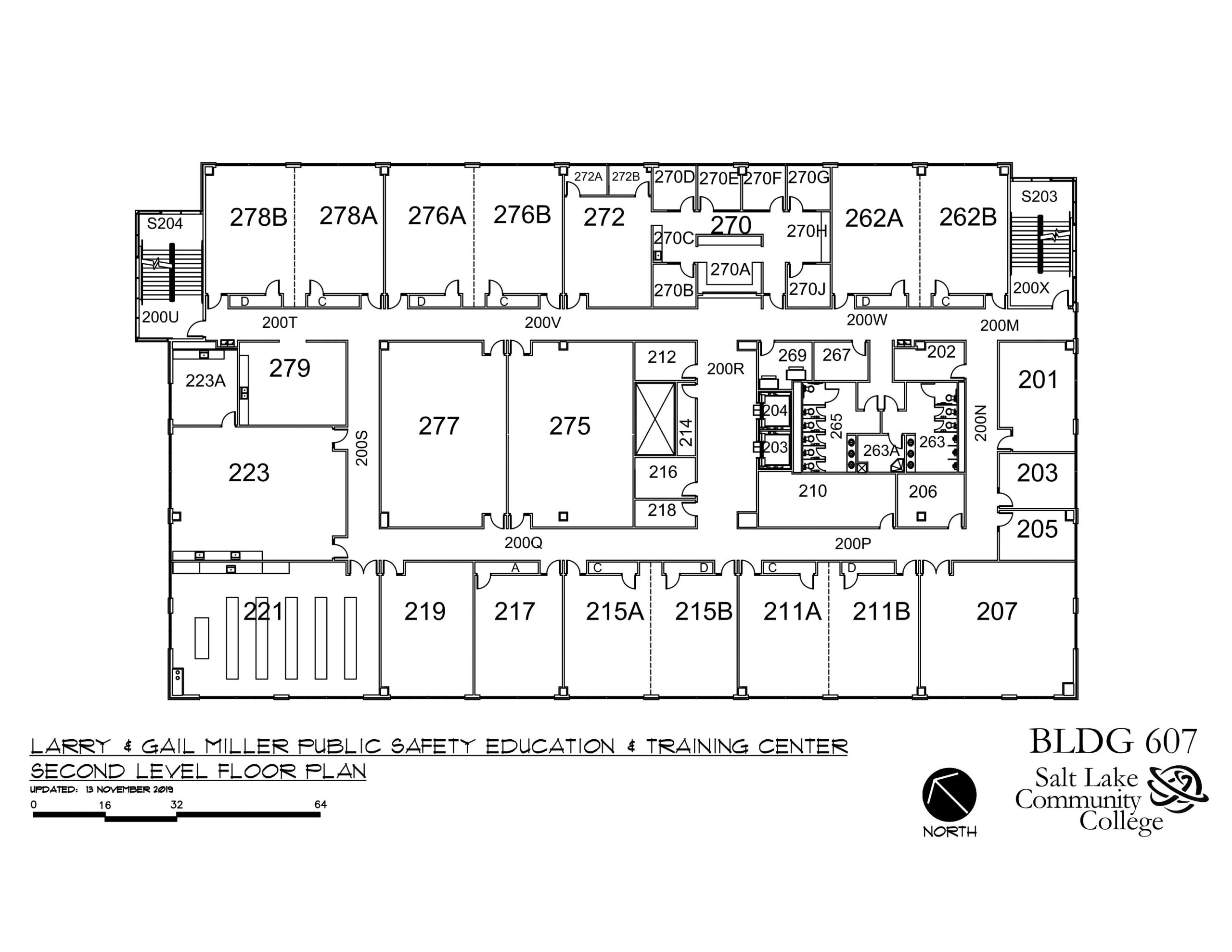
Rooms:
Room 1 (Zoom Streaming Link): PSET 219
Room 2: PSET 211
Room 3: PSET 215
Room 4 (Zoom Streaming Link): PSET 278
Forensic Science Lab Tour: PSET 221 [*Virtual Tour of “Mock” Crime Scene]
Lunch and Awards Room: PSET 278
Agency and Organizations’ Booths Room: Hall Near Elevator
Posters: Hall
Conference Mission:
The Biannual Utah Crime, Justice, and Equity Conference, founded in 2019 and hosted and sponsored by academic departments, colleges, universities, student clubs, and nonprofits, is open to all undergraduate and graduate students in Utah to present within the field of justice studies, criminology, criminal justice, peace studies, and conflict studies. The purpose of this conference is to promote scholarship, respect, community engagement, intellectual discovery, research, networking, collaboration, learning, innovation, inclusion, and a more educated democratic citizenship for a peaceful world.
SCHEDULE
(Based on USA Mountain Time)
8:40am– 5:00pm
Welcoming
8:40 – 9:00am
Session One
9:00am-10:00am
Room 1 (Zoom Streaming): PSET 219
Innocence Projects: The Devastating Implications of Wrongful Convictions
Chair: Antonette Gray, Associate Professor, Salt Lake Community College (SLCC)
Presenter One [9:00am-9:20am]
Title: Innocence Project Case: Ronald Jones
Presenter: Lexi Darden
Biography: Lexi Darden is a Criminal Justice Major in their sophomore year at Salt Lake Community College (SLCC). Lexi aspires to become a State Senator and intends to transfer to Utah State University in Fall of 2027 to complete their B.S. in Criminal Justice.
Abstract: Ronald Jones was wrongfully convicted of first-degree murder and aggravated sexual assault and was sentenced to death on January 1st, 1989, in Illinois. He served a total of 10 years, along with time spent on death row, due to the following contributing causes: a coerced confession, unvalidated and misleading forensic science, and investigative tunnel vision. Thankfully, he was exonerated by advances in forensic science and DNA retesting, which conclusively proved he was not the source of the biological evidence found on the victim’s body. The real perpetrator has yet to be identified. It is important to study cases like this because they expose serious flaws within the criminal justice system, particularly in how confessions and forensic evidence are handled. Understanding these failures can help prevent future wrongful convictions and ensure that justice is truly served for both victims and the innocent.
Presenter Two [9:20am-9:40am]
Title: Innocence Project Case: Ian Schweitzer
Presenter: Madison Varmette
Biography: Madison Varmette is a Criminal Justice Major in their sophomore year at Salt Lake Community College (SLCC). Madison aspires to become a Defense Intelligence Agent and intends to transfer to SUNY Plattsburgh in Fall 2026 to complete their B.S. in Criminal Justice.
Abstract: Ian Schweitzer was wrongfully convicted of Kidnapping, Rape, and Murder and was sentenced to life in prison on February 16th, 2000, in Hawaii County, Hawaii. They served 23-years due to the following contributing causes: false confessions, unvalidated and improper forensic science. Thankfully, they were exonerated by proper DNA testing and genealogy forensics, and the real perpetrator was identified. This case is important to discuss because it blatantly shows a miscarriage of justice. It needs to be a learning experience for future investigation and forensics to understand proper techniques within each field of criminal justice.
Presenter Three [9:40am-10:00am]
Title: Innocence Project Case: Rafael Ruiz
Presenter: Arianna Samano
Biography: Arianna is a Criminal Justice Major in their sophomore year at Salt Lake Community College (SLCC). Arianna aspires to become an immigration Lawyer and intends to transfer to Weber State University in Fall 2026 to complete their B.S. in Philosophy.
Abstract: Rafael Ruiz was wrongfully convicted of First-Degree Rape, First-Degree Sodomy, First-Degree and Second-Degree Robbery, and First-Degree Sexual Abuse and was sentenced to 8 years and 4 months to 25 years on 02/27/1984 in New York City. They served 24 years due to the following contributing causes: eyewitness misidentification. Thankfully, they were exonerated by DNA. The real perpetrator has yet to be identified. Rafael Ruiz lost 24 years of his life due to misidentification and flawed forensic practices. His case demonstrates the dangers of suggestive procedures. When mistakes are made, not only does the real perpetrator go free, but the wrongfully accused have their lives made up for them. The justice system is designed to protect the innocent, but cases like Rafael Ruiz’s remind us that when mistakes happen, it is society’s responsibility to correct them.
*5 min. Q&A period after each 15 min. student presentation
Room 3: PSET 215
Chair: Anthony J. Nocella II, Associate Professor, Salt Lake Community College (SLCC)
Title:
Presenter One:
Biography:
Abstract:
Title:
Presenter Two:
Biography:
Abstract:
Title:
Presenter Three:
Biography:
Abstract:
Title:
Presenter Four:
Biography:
Abstract:
Title:
Presenter Five:
Biography:
Abstract:
5 to 10 minutes for Q and A
Room 4: PSET 278
Innocence Projects: The Devastating Implications of Wrongful Convictions
Chair: Stephanie L. Hoffman, Associate Professor, Salt Lake Community College (SLCC)
Presenter One [9:00am-9:20am]
Title: Innocence Project Case: Eddie James Lowery
Presenter: Adam Hill
Biography: Adam Hill is a Criminal Justice Major in their sophomore year at Salt Lake Community College (SLCC). Adam aspires to become a Cybercrime Investigator and intends to transfer to Utah Valley University in Spring 2027 to complete their B.S. in Cybersecurity.
Abstract: Eddie James Lowery was wrongfully convicted of Burglary, Aggravated Assault, and Rape, and was sentenced to 11 years to life on January 7th, 1982 in Kansas. He served 9 years in prison before being let out on parole due to the following contributing causes: same blood type as the real perpetrator, within proximity of the crime when it happened, a coerced testimony, and DNA analysis did not exist yet. Thankfully, he was exonerated by procuring evidence of the case and submitting it to CODIS, proving his claim of innocence through DNA analysis. The real perpetrator, Daniel Brewer, was identified. Some key concepts to learn from Lowery’s case include exposing the ripple effect of police brutality via interrogations, abusing the ignorance and trust of the general public through manipulation and intimidation, abolishing the death penalty, and the requirement of formal education throughout law enforcement.
Presenter Two [9:20am-9:40am]
Title: Innocence Project Case:
Presenter: Raiza Aguirre Sanchez
Biography: Raiza Aguirre Sanchez is a Criminal Justice Major in their sophomore year at Salt Lake Community College (SLCC). Raiza aspires to become a Crime Scene Investigator (CSI) and intends to transfer to Weber State University in Fall 2026 to complete their B.S. in Criminal Justice.
Abstract: Archie Williams was wrongfully convicted of Attempted Murder, Aggravated Rape, and Aggravated Burglary, and was sentenced to life in prison without parole, on April 21, 1983 in Louisiana. They served 36 years due to the following contributing causes: eyewitness misidentification, cross-racial identification bias, unvalidated forensic practices, and lack of DNA testing. Thankfully, they were exonerated by DNA testing, which proved he was innocent, as well as fingerprint evidence that did not match him. The Innocence Project took on his case and re-investigated the evidence, and new forensic analyses excluded him as the perpetrator. The real perpetrator was identified. It is crucial to learn about these cases and raise awareness, as an increasing number of people are being wrongfully convicted—deprived of both their liberty and their lives—while the true culprit remains at large or evades punishment. Archie’s case stands as one of the most shocking in history; it tells the story of a man who lost half his life behind bars due to mistaken identity and flawed forensic evidence. These cases demonstrate the urgent need for reform within both the justice system and eyewitness identification protocols, highlighting, in particular, the critical importance of DNA evidence. Let us raise awareness to prevent wrongful convictions and protect all those innocent individuals.
Presenter Three [9:40am-10:00am]
Title: Innocence Project Case: Ron Williamson
Presenter: Lindsey Rieben
Biography: Lindsey Rieben is a Criminal Justice Major in their sophomore year at Salt Lake Community College (SLCC). Lindsey aspires to become an Attorney Specializing in Constitutional Law and intends to transfer to the University of Utah next semester to complete their B.S. in Legal Studies or Criminology.
Abstract: Ronald Keith Williamson was wrongfully convicted of First-Degree Murder and was sentenced to death on April 28, 1988 in Pontotoc County, Oklahoma. He served 11 years due to the following contributing causes: false confessions or admissions, government misconduct, inadequate defense, informants and unvalidated or improper forensic science. Thankfully, they were exonerated by DNA. The real perpetrator was identified. Understanding wrongful conviction cases involving false confessions, government misconduct, inadequate defenses, informants, and flawed forensic science highlights how the justice system can fail. Studying these cases helps to identify red flags, opportunities to improve practices and strengthen accountability to better protect the rights of innocent people.
*5 min. Q&A period after each 15 min. student presentation
Session Two
10:00am-11:00am
Room 1 (Zoom Streaming): PSET 219
Innocence Projects:
Chair: Antonette Gray, Associate Professor, Salt Lake Community College (SLCC)
Presenter One [10:00am-10:20am]
Title: Innocence Project Case:
Presenter:
Biography:
Abstract:
Presenter Two [10:20am-10:40am]
Title: Innocence Project Case:
Presenter:
Biography:
Abstract:
Presenter Three [10:40am-11:00am]
Title: Innocence Project Case:
Presenter:
Biography:
Abstract:
*5 min. Q&A period after each 15 min. student presentation
Room 2: PSET 211
Chair: David Robles, Assistant Professor, Salt Lake Community College (SLCC)
Title:
Presenter One:
Biography:
Abstract:
Title:
Presenter Two:
Biography:
Abstract:
Title:
Presenter Three:
Biography:
Abstract:
Title:
Presenter Four:
Biography:
Abstract:
Title:
Presenter Five:
Biography:
Abstract:
5 to 10 minutes for Q and A
Room 3: PSET 215
Chair: Anthony J. Nocella II, Associate Professor, Salt Lake Community College (SLCC)
Title:
Presenter One:
Biography:
Abstract:
Title:
Presenter Two:
Biography:
Abstract:
Title:
Presenter Three:
Biography:
Abstract:
Title:
Presenter Four:
Biography:
Abstract:
Title:
Presenter Five:
Biography:
Abstract:
5 to 10 minutes for Q and A
Room 4: PSET 278
Innocence Projects: The Devastating Implications of Wrongful Convictions
Chair: Stephanie L. Hoffman, Associate Professor, Salt Lake Community College (SLCC)
Presenter One [10:00am-10:20am]
Title: Innocence Project Case: Andre Hatchett
Presenter: Hasiby Martinez Carmona
Biography: Hasiby Martínez Carmona is a Criminal Justice Major in their freshman year at Salt Lake Community College (SLCC). Hasiby is a Certified Paralegal who aspires to become a Victim Advocate with the Utah Coalition Against Domestic Violence.
Abstract: Andre Hatchett was wrongfully convicted of Second Degree Murder and was sentenced to 25 years to life in prison on February 19, 1992 in New York. He served 24 years and 21 days (25 years) due to the following contributing causes: eyewitness misidentification, perjury or false accusation, government misconduct, inadequate legal defense, and exculpatory evidence that was not presented at trial. Thankfully, he was exonerated by evidence discovered by the Conviction Review Unit in the District Attorney’s file that the only eyewitness was smoking crack on the day of the crime, that he had initially identified another person as the killer, and that the burglary charge for which this alleged eyewitness was in custody when he pointed Hatchett as the killer was dismissed. None of this information was disclosed to Hatchett’s defense lawyers. The real perpetrator has yet to be identified. It is important to learn about this case for different reasons. Race likely played a role due to the lack of investigation and interest from the authorities, which was obvious from the beginning. The lack of evidence gathered at the crime scene, the negligence in establishing a timeline that could lead to the real perpetrator, the corruption in what the officers incurred, base an entire case in just one alleged eyewitness, knowing that it is not enough to reach the standard set beyond a reasonable doubt, and the numerous systemic fails withing the legal process that put an innocent person behind the bars for twenty five years, are why it is important to be aware of how wrong can go things when you do not do your work the way you should do it. Learning from past mistakes should be a mantra for law enforcement, criminal investigators, agencies, and other judicial bodies in charge of administering justice in order to ensure the integrity of the investigations; create protocols and procedures that are legally binding and establish clear and fair sanctions for the lack of ethics and poor performance at work.
Presenter Two [10:20am-10:40am]
Title: Innocence Project Case: Jane Dorotik
Presenter: Vanessa Santiago
Biography: Vanessa is a Criminal Justice Major in their sophomore year at Salt Lake Community College (SLCC). Vanessa aspires to become a Victim Advocate and intends to transfer to Utah Valley University in Fall 2026 to complete their B.S. in Criminal Justice.
Abstract: Jane Dorotik was wrongfully convicted of murder and was sentenced to 25 years to life on June 12, 2001 in San Diego county, California. They served 19 years due to the following contributing causes: false or misleading forensic evidence, perjury or false accusation, official misconduct, and inadequate legal defense. Thankfully, they were exonerated by DNA evidence. The real perpetrator has yet to be identified. It is important to learn from Jane Dorotik’s case as it highlights flaws within the justice system, the inclusion of the “CSI effects”, and prosecution only allowing themselves to take into consideration what they thought was good enough, which led to 19 years of wrongful incarceration. Highlighting the importance of requiring thorough forensic review, better sharing of evidence, and access to DNA testing after conviction to help prevent wrongful convictions in the future.
Presenter Three [10:40am-11:00am]
Title: Innocence Project Case: Alfred Swinton
Presenter: Alfred Williams
Biography:
Abstract:
*5 min. Q&A period after each 15 min. student presentation
Session Three
11:00am-12:00am
Room 1 (Zoom Streaming): PSET 219
Innocence Projects: The Devastating Implications of Wrongful Convictions
Chair: Antonette Gray, Associate Professor, Salt Lake Community College (SLCC)
Room 2: PSET 211
Chair: David Robles, Assistant Professor, Salt Lake Community College (SLCC)
Title:
Presenter One:
Biography:
Abstract:
Title:
Presenter Two:
Biography:
Abstract:
Title:
Presenter Three:
Biography:
Abstract:
Title:
Presenter Four:
Biography:
Abstract:
Title:
Presenter Five:
Biography:
Abstract:
5 to 10 minutes for Q and A
Room 3: PSET 215
Chair: Anthony J. Nocella II, Associate Professor, Salt Lake Community College (SLCC)
Title:
Presenter One: Kamryn Blackham
Biography:
Abstract:
Title:
Presenter Two: Shuib Ahmad Noori
Biography:
Abstract:
Title:
Presenter Three: Vanya
Biography:
Abstract:
Title:
Presenter Four: Mazie
Biography:
Abstract:
Title:
Presenter Five: Krissty
Biography:
Abstract:
5 to 10 minutes for Q and A
Room 4: PSET 278
CJ 2340-251: Forensic Photography Hands-On Workshop
Chair: Stephanie L. Hoffman, Associate Professor, Salt Lake Community College (SLCC)
Presenter Group One [11:00am-12:00pm]
Title: Bringing Crime Scene Evidence to Life With 3-D Photogrammetry
Presenters: Bryce Beesley, Lucy Herold, and Whitney Romig
Biographies: Bryce Beesley is currently a Criminal Justice Major at Salt Lake Community College (SLCC) in his sophomore year, who aspires to become a Medicolegal Death Investigator (MDI) and later a Crime Scene Investigator (CSI). Bryce has developed a strong foundation in forensics and investigative practice through his coursework at SLCC and participation in SkillsUSA Crime Scene Investigation (CSI) competitions. He also served as a Transporter with Care Center, which is contracted by the Utah Medical Examiner’s Office to assist with the recovery and transport of decedents from unexpected or suspicious death scenes. This has provided additional exposure to field investigation protocols and procedures. He intends to transfer to Utah Valley University (UVU) to pursue a B.S. in Forensic Sciences with a Forensic Investigation Emphasis in Spring 2027. Lucy Herold is currently a Criminal Justice Major at Salt Lake Community College (SLCC) in her sophomore year, who aspires to become a Forensic Psychologist. She has deepened her understanding of forensics by completing three forensic science courses at SLCC, a group Capstone Research Project, and competing in SkillsUSA Crime Scene Investigation (CSI) competitions for the past three years at the secondary and post-secondary levels. She intends to transfer to Utah Valley University (UVU) to pursue a B.S. in Psychology in Fall 2027. Whitney Romig is currently a Criminal Justice Major at Salt Lake Community College (SLCC) in her sophomore year, who aspires to become a Crime Scene Investigator (CSI). She has gained extensive hands-on experience through an internship with the South Salt Lake Police Department, SkillsUSA Crime Scene Investigation (CSI) competitions, along with coursework in three different forensic science classes and a group Capstone Research Project. Whitney intends to transfer to Utah Valley University (UVU) to pursue a B.S. in Forensic Sciences with a Forensic Investigation Emphasis in Spring 2027.
Abstract: Crime scenes only exist in their original form once, and traditional photography cannot always capture the full context, depth, spacing, and perspective of the scene. Photogrammetry offers a reliable, non-invasive method to preserve crime scenes, evidence, and measurements through detailed 3-D models created from overlapping photographs or videos. This hands-on workshop will explore how photogrammetry can be utilized in forensic science to improve and provide accessible and user-friendly documentation that will aid crime scene reconstruction efforts. Photogrammetry’s forensic utility, how it compares to more traditional documentation methods like 2-D photography and diagrams, and how to accomplish said technique via computer software and a smartphone app (i.e., 3DF Zephyr and Artec Studio App) will be discussed. Photogrammetry is a vital progression in preserving and documenting crime scenes that can ensure the transition from the field to the courtroom is seamless and evidence driven. The technique has not been widely adopted by forensic investigators, which makes training and equipping criminal investigators with accessible photogrammetry techniques essential to modernizing forensic workflows. *Attendees will need to download the Artec Studio app (Apple or Google Play store options) on their phone and create a free account in advance to capture and create 3-D photogrammetry models during the workshop.
*5 min. Q&A period after 55 min. student workshop
Lunch: 12:00pm to 12:30pm
Room: PSET 278
Facilitated by: Dr. Anthony Nocella II
Menu: Free Pizza and Juice (Vegan Options)
Moment of Silence for Lauren’s Promise: 12:30pm – 12:40pm
Room: PSET 278
Make Lauren’s Promise
Facilitated by: Interim Dean Cecile Delozier
I WILL LISTEN AND BELIEVE YOU IF SOMEONE IS THREATENING YOU.
12:40pm – 1:30pm – Keynote Speakers
Room: PSET 278
Title: Gender, Land, and Resistance in Postwar Sri Lanka
Keynote Presenter: Dr. Tara Quinn, Assistant Professor, University of Utah
Biography: Dr Tara Quinn is an assistant professor in Gender and International Studies at the University of Utah. She completed her thesis, Resistance in Transition: Land, gender and transformative justice in postwar Sri Lanka (2023), at Coventry University’s Centre for Trust, Peace and Social Relations (UK). She is a 2027 Kroc Visiting Research Fellow at the University of Notre Dame focusing on intersectionality and peacebuilding as it relates to women’s political participation in postwar Sri Lanka. Before her PhD, she was a grantwriter and literary editor in Toronto, editing The New Brick Reader (House of Anansi Press, 2013) with Michael Ondaatje.

Title: The Courage to Engage: Education for a More Just World
Keynote Presenter: Dr. Connie Etter, Professor, Westminster University
Biography: Connie Etter is associate professor of justice studies and the honors college at Westminster University. She earned her PhD at Syracuse University in cultural anthropology. She approaches justice studies, with her students, as thinking boldly about how the world could be, grounded in the lived experiences of marginalized communities and on-going struggles for freedom.
…
Awards: 1:30pm-2:00pm
Room: PSET 278
Recognizing the Outstanding Criminal Justice Awards
Chairs: Professors Stephanie Hoffman and David Robles, Salt Lake Community College (SLCC)
Outstanding Academic Achievement: Michael C. Miller, Brooke R. Hanna, Almedin Zahirovic, Madison P. Galt, and, Yuliza B. Perez
This biannual award is for a graduating criminal justice student at Salt Lake Community College that has the highest GPA overall. This award is an objective award that does not have a nomination process and is determined by comparing all GPAs of criminal justice student majors that are graduating that academic semester.
Outstanding Inclusivity and Equity Achievement: Abby Carroll
This biannual award is for a criminal justice student at Salt Lake Community College that has an active commitment and engagement in direct advocacy toward justice, equity, and inclusion of a marginalized segment of society such as, but not limited to, People of Color, immigrants, LGBTQ+, people with disabilities, those incarcerated, women, youth, survivors, unsheltered, economically disadvantaged people, nonhuman animals, and the environment. We recognize that oppression exists and that action needs to be taken to address inequity and injustices in society.
Outstanding Service Achievement: Timothy Heddlesten
This biannual award is for a criminal justice student at Salt Lake Community College that has an active commitment and engagement in serving voluntarily, and not as a paid job or internship, within the community at a government agency or social service nonprofit organization that is not religiously or politically affiliated. Serving others and the community is a central part of justice and a healthy community.
Outstanding Health and Well-being Achievement: Josie Counter and Charlee Paterakis
This biannual award is for a criminal justice student at Salt Lake Community College that has an active commitment and engagement in personal fitness, health, and mental well-being. We want to support students and not shame students for taking care of themselves over academics. Schools have led to a high rate of student anxiety, depression, unhealthy dietary and physical habits, and suicide. Further, the field of criminal justice has fostered similar habits, too. This person must regularly demonstrate in their personal life self-care, such as, but not limited to, exercising, involvement in organized athletic competitions, eating healthy, and seeking out counseling and advising.
Outstanding Rise Up Achievement: Amariah Ramos
This biannual award is for a criminal justice student at Salt Lake Community that has succeeded against many personal social adversities, such as death in the family, unsheltered, drug use, incarceration, domestic violence, or theft.
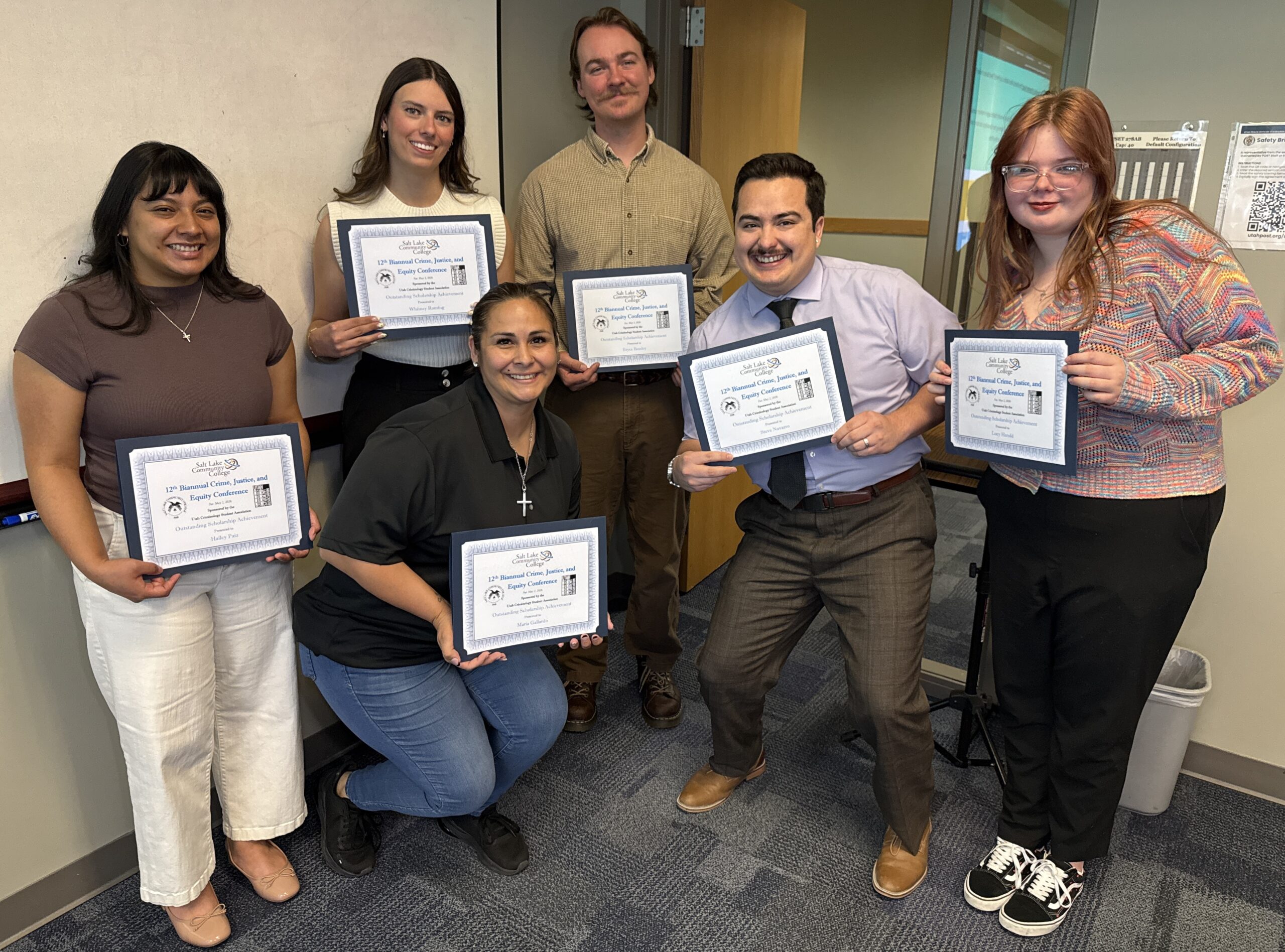
Outstanding Scholarship Achievement Award: Bryce Beesley, Maria Gallardo, Lucy Herold, Steve Navarro, Hailey Paiz, Whitney Romig, and Jessah Rylant
This biannual award is for a criminal justice student at Salt Lake Community that engages in research, scholarship, organizing academic publications and events, and participates in furthering their knowledge, education, and learning through reading, writing, attending forums, clubs, organizations, and watching films.
Outstanding Faculty:
Session Four
2:00pm – 3:00pm
Room 1 (Zoom Streaming): PSET 219
Innocence Projects: The Devastating Implications of Wrongful Convictions
Chair: Antonette Gray, Associate Professor, Salt Lake Community College (SLCC)
Presenter One [1:40pm-2:00pm]
Title: Innocence Project Case: Dennis Maher
Presenter: Mary Espil
Biography: Mary Espil is a Criminal Justice Major in their sophomore year at Salt Lake Community College (SLCC). Mary aspires to become a Psychologist and intends to transfer to the University of Utah in Fall 2026 to complete their B.A. in Psychology.
Abstract: Dennis Maher was wrongfully convicted of 3 counts of rape and was sentenced to 15-30 years on 3/05/1984 in Massachusetts. They served 19 years due to the following contributing causes: misidentification by eye witnesses and victims (sole evidence for conviction). Thankfully, they were exonerated due to advanced DNA testing. The real perpetrator has yet to be identified. It is important to learn about this case so that suspects are not misrepresented, DNA evidence is not overlooked, and an innocent person does not go to jail while the real criminal runs free.
Presenter Two [2:00pm-2:20pm]
Title: Innocence Project Case: Malcom Alexander
Presenter: Jay Tactay
Biography: Jay Tactay is a Criminal Justice Major in their sophomore year at Salt Lake Community College (SLCC). Jay aspires to become a Victim Advocate and intends to transfer to Weber State in Fall 2026 to complete their B.S. in Criminal Justice.
Abstract: Malcolm Alexander was wrongfully convicted of aggravated rape and sentenced to life in prison on November 5th, 1980, in Louisiana. They served 38 years due to the following contributing causes: mistaken eyewitness identification, a flawed police lineup, and ineffective assistance of counsel. Thankfully, they were exonerated by DNA testing. The real perpetrator has yet to be identified. Learning about this case is important because it highlights the dangers of unreliable eyewitness identification and inadequate legal defense, and it emphasizes the need for reforms in the criminal justice system to prevent wrongful convictions and ensure justice for the innocent.
Presenter Three [2:20pm-2:40pm]
Title: Innocence Project Case:
Presenter:
Biography:
Abstract:
Presenter Four [2:40pm-3:00pm]
Title: Innocence Project Case: Michelle Murphy
Presenter: Erin Paulsen
Biography: Erin Paulsen is a Criminal Justice Major in their freshman year at Salt Lake Community College (SLCC). Erin aspires to grow in her current career at the Department of Public Safety and intends to transfer to the University of Utah after graduation to complete their B.S. in Criminal Justice.
Abstract: Michelle Murphy was wrongfully convicted of Homicide and was sentenced to life in prison on November 17, 1995 in Oklahoma. They served 20 years due to the following contributing causes: coerced confession, incorrect blood typing forensics, and lack of rigorous investigation. Thankfully, they were exonerated by DNA evidence. The real perpetrator has yet to be identified. Investigators took a coerced confession and let that limit their full investigation, and there were significant forensic issues with relying on and holding back critical evidence on blood typing.
*5 min. Q&A period after each 15 min. student presentation
Room 2: PSET 211
Chair: David Robles, Assistant Professor, Salt Lake Community College (SLCC)
Title: Immigrants, The U.S.A. & The Economy
Presenter: Marjorie Wilson
Biography: Marjorie Wilson, a born and raised Utahn, believes building community is one of the most important ways to address the many pressing issues we face in today’s world. And that free access to accurate information and a variety of voices on any subject are a must for maintaining freedom in any society.
Abstract: Immigration is a current and important issue in American society. Much of the discussion surrounding whether immigration should be allowed, and when, can be boiled down to whether immigrants are contributing economically to the U.S. society or if they present an economic burden. The U.S. policy strategies for handling undocumented immigrants can be broadly divided into two groupings. Policies which favor letting current immigrants both documented and undocumented have a pathway to stay and policies which favor focusing on enforcing removal of most or all undocumented immigrants. This research study seeks to examine first the costs and benefits to U.S. economy of a policy of allowing those who are here to stay, second to examine the costs of using a policy strategy of mass deportation and incarceration on the U.S economy, as a way to help elucidate which policy strategy is more likely to benefit the U.S. economy.
Title Faith, Morality and Punishment
Presenter: Ivanna L Gonzalez Gamez
Biography: Ivanna Gonzalez, born and raised in Costa Rica. Student at SLCC , I moved here almost 3 years ago to get a Bachelor’s degree un business focused in professional Sales. I am a Catholic young girl that loves outdoors, traveling, fashion and LOVE running!!!
Abstract: This project explores how religion and American identity influence views on the death penalty. It focuses on how different religious beliefs shape opinions about punishment and justice. Research shows that some religious groups support the death penalty, while others, like the Catholic Church, strongly oppose it. As a Catholic, I believe that every human life is sacred and should be protected, no matter the circumstances. This project also examines how race and inequality affect who is sentenced to death, showing that the system is not always fair. By comparing the United States with Europe, where the death penalty has been abolished, this study argues that beliefs about punishment are influenced by religion, culture, and values. Overall, this project defends the importance of protecting human life.
Title: A Comparative Analysis of Recidivism Rates Between Prison Systems With and Without an Established Prison Education System
Presenter: Christian Smith
Biography: Christian Smith is a Pre-med student at Salt Lake Community College (SLCC). As a student within the Honors Program at SLCC, Christian plans to attend the University of Utah’s Honors – Medical Laboratory Science Bachelors program and then be admitted into a (undetermined) medical school. Following admittance to medical school, Christian aspires to attend one of the few Medical Scientist Training Programs across the U.S. and then one day conduct research as a scientist working for the World Health Organization (WHO). As a mental health advocate and science enthusiast, Christian constantly seeks to help society as a whole and, as an individual, maximize their contribution to societal well-being.
Abstract: Recidivism is one of the most fundamental concepts in criminal justice. It refers to, “a person’s relapse into criminal behavior, often after the person receives sanctions or undergoes intervention for a previous crime.” This research follows a comparative analysis to analyze recidivism rates between prison systems that have an established prison education system to prison systems that have not established a prison education system. Notable identity factors included in this research are the incarcerated, race, socioeconomic status, educational status, and the socioeconomic inequality before and after incarceration.
Title: Understanding Child Sexual Abuse – A Theoretical Literature Review
Presenter: Kady Anderson
Biography: Kady Anderson is a college student currently attending Salt Lake Community College and majoring in Psychology. Kady is planning on transferring to the University of Utah shortly after graduating and focusing on mental health issues while fueling her interest in animal science. Following her passions, Kady plans on dedicating her time to learning the most about how the human mind works while also spending time volunteering at her local animal shelter to learn more about animal behavior.
Abstract: Child sexual abuse is a pressing isssue that affects millions of individuals in the United States each year. Understanding how to identity potential warning signs and risk factors associated with perpetrators is essential for effective prevention. Throughout this project, I will examine key theoretical frameworks that outline preconditions necessary for the abuse to occur, the motivations a perpetrator needs in order to follow through with the abuse, and the specific behavioral patterns commonly observed in offenders. I’ve used a range of secondary sources and crime statistics to provide an evidence-based explanatory analysis that is aimed at informing and educating the audience. Overall, the goal of this presentation is to raise awareness and enhance early detection of predatory behaviors that could hopefully prevent the increase and spread of child sexual abuse in the United States.
5 to 10 minutes for Q and ATitle:
Presenter One:
Biography:
Abstract:
Title:
Presenter Two:
Biography:
Abstract:
Title:
Presenter Three:
Biography:
Abstract:
Title:
Presenter Four:
Biography:
Abstract:
Title:
Presenter Five:
Biography:
Abstract:
5 to 10 minutes for Q and A
Room 3: PSET 215
Chair: Anthony J. Nocella II, Associate Professor, Salt Lake Community College (SLCC)
Title:
Presenter One:
Biography:
Abstract:
Title:
Presenter Two:
Biography:
Abstract:
Title:
Presenter Three:
Biography:
Abstract:
Title:
Presenter Four:
Biography:
Abstract:
Title:
Presenter Five:
Biography:
Abstract:
5 to 10 minutes for Q and A
Room 4: PSET 278
CJ 2480-251: Crime Scene Investigation Techniques (WI) Capstone Research Projects
Chair: Stephanie L. Hoffman, Associate Professor, Salt Lake Community College (SLCC)
Presenter Group One [2:00pm-2:30pm]
Title: Let It Go: Innovative Body Bag Modifications for Impact and Temperature Regulation (Postmortem Artifacts Mitigation)
Presenters: Steve Navarro and Jessah Rylant
Biographies: Steve Navarro is a Criminal Justice major at Salt Lake Community College (SLCC) in their sophomore year, who aspires to become a Medicolegal Death Investigator (MDI) with the Utah Medical Examiner’s Office. He completed two forensic science courses and a Capstone Research Project, and also competed in both the SLCC Regional and State SkillsUSA Crime Scene Investigation (CSI) team competitions, placing third. He intends to complete additional coursework at SLCC thanks to his SkillsUSA scholarship before transferring to Utah Valley University (UVU) to pursue a B.S. in Forensic Sciences with a Field Investigation Emphasis. Jessah Rylant is a Criminal Justice major at Salt Lake Community College (SLCC) in their sophomore year who aspires to become a Forensic Scientist. They have completed two forensic science courses and a Capstone Research Project, and also competed in both the SLCC Regional and State SkillsUSA Crime Scene Investigation (CSI) team competitions, placing second. They intend to complete additional coursework at SLCC thanks to their SkillsUSA scholarship before transferring to another institution to pursue a B.S. in Forensic Sciences.
Abstract: Postmortem artifacts are changes or features that happen in a body after death that can cause misinterpretation of evidence during autopsies. It often is created during decedent transport and can complicate autopsies by simulating ante/peri- mortem (before/at or around death) injuries or altering evidence important to medicolegal death investigations. This project explored whether an innovative body bag modification could improve preservation during transport by reducing temperature fluctuations as well as minimizing transport-related impacts that could result in postmortem (after death) injuries. The modified bag was lined up with upholstery foam, Reflectix insulation material (found in hardware stores), and foam pool noodles secured with Velcro to provide cushioning and regulate temperature. To see how effective those changes were, both the modified and unmodified body bag underwent two controlled tests. The impact test was performed through drop tests at varying heights equivalent to that of typical transport stretchers using force plate analysis. Force plate analysis in a drop test involves measuring the force that a mannequin experiences while falling at varying heights. Whereas temperature fluctuations were assessed with mannequins, simulating decedents recovered from temperature-controlled environments as well as hypothermic (cold) ones. Said mannequins were placed on a gurney inside an ambulance to simulate ambient transport conditions for one-hour long intervals with temperature data loggers placed in multiple locations. Results were then compared to determine whether that modified design performed better than the traditional unmodified body bag. This research will improve both body bag designs and transportation practices for law enforcement, forensic personnel, medical examiners and mortuary staff. This will ensure the integrity of evidence and PMI estimates and lower transportation-related artifacts from being misinterpreted during autopsy.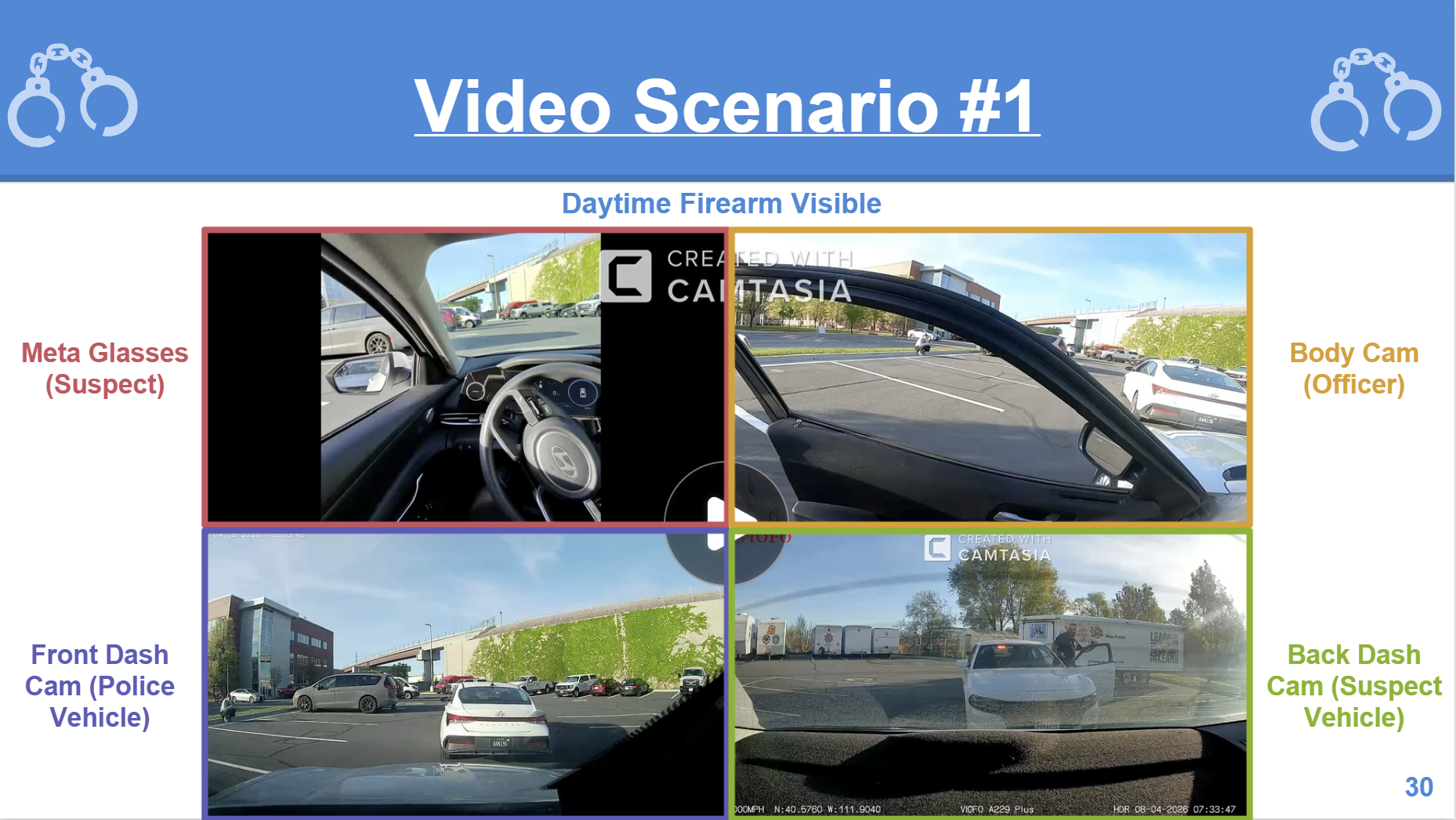
Presenter Group Two [2:30pm-3:00pm]
Title: Seeing Can Be Deceiving: Camera Type, Settings, and Perspective Assessments
Presenters: Maria Gallardo, Lucy Herrold, and Whitney Romig
Biographies: Maria Gallardo is currently a Criminal Justice major at Salt Lake Community College (SLCC), who aspires to become a Victim Advocate. Maria has gained hands-on experience through two forensic courses, a group Capstone Research project, and an internship with the Department of Veterans Affairs in the Victim Services Department, along with coursework focused on advocacy and trauma-informed care. She intends to continue her education by pursuing a bachelor’s degree in a related field. Lucy Herold is currently a Criminal Justice major at Salt Lake Community College (SLCC) in her sophomore year, who aspires to become a Forensic Psychologist. She has deepened her understanding of forensics by completing three forensic science courses at SLCC, a group Capstone Research project, and competing in Skills USA Crime Scene Investigation (CSI) competitions for the past three years at the secondary and post-secondary levels. She intends to transfer to Utah Valley University (UVU) to pursue a B.S. in Psychology in Fall 2027. Whitney Romig is currently a Criminal Justice major at Salt Lake Community College (SLCC) in her sophomore year, who aspires to become a Crime Scene Investigator (CSI). She has gained extensive hands-on experience through an internship with the South Salt Lake Police Department, SkillsUSA Crime Scene Investigation (CSI) competitions, along with coursework in three different forensic science classes and a group Capstone Research project. Whitney intends to transfer to Utah Valley University (UVU) to pursue a B.S. in Forensic Sciences with a Forensic Investigation Emphasis in Spring 2027.
Abstract: What if what you think you saw is not what actually happened? In criminal investigations, video footage is often treated as objective truth, but camera perspective (camera angle, lighting, resolution, and movement) can significantly influence what details, actions, and context are captured or missed. This Capstone Research project examined how different camera types (body-worn cameras, dash cameras, surveillance systems, and smartphones) compare to human perception during real-world scenarios. It was hypothesized that camera angle, placement, and lighting conditions as well as camera quality and field of view would affect what details are captured and could lead to differences between what a person observed and experienced versus what a camera recorded. To test this, multiple “mock” scenarios were created and assessed, including: traffic stops (with and without a weapon, including a phone), driving while intoxicated (DWI), a foot pursuit, and a burglary. Each scenario was recorded using multiple cameras, including body-worn cameras (BWCs), dash cameras, surveillance cameras (including Ring doorbells), and smartphones. Recordings were conducted in both daylight and nighttime conditions. Survey questions were also developed and will be completed by different audiences to compare how participants interpreted the events based on different cameras, perspectives, and personal backgrounds. Preliminary findings suggest that camera perspective can limit visibility, alter depth perception, and influence how events are interpreted by viewers, sometimes causing important details to be overlooked, distorted, or misinterpreted due to blind spots, motion blur, or limited field of view. These results highlight that video evidence does not always provide a complete representation of an event. Overall, this study demonstrates the importance of carefully analyzing camera footage by trained investigators, forensic video analysts, and legal professionals alongside human perception and other forms of evidence. This research helps improve how video evidence is understood and interpreted in criminal investigations. By showing the limitations of camera perspective along with factors such as lighting, angle, and recording quality, this study can help investigators, attorneys, and juries make more informed decisions when reviewing footage. It also highlights the need to consider multiple perspectives rather than relying on a single video source.
*5 min. Q&A period after each 25 min. student presentation
Session Five
3:00pm – 4:00pm
Room 1 (Zoom Streaming): PSET 219
Innocence Projects: The Devastating Implications of Wrongful Convictions
Chair: Antonette Gray, Associate Professor, Salt Lake Community College (SLCC)
Presenter One [3:00pm-3:20pm]
Title: Innocence Project Case: Anthony Wright
Presenter: Lauren Anderson
Biography: Lauren Anderson is a Criminal Justice Major in their sophmore year at Salt Lake Community College (SLCC). Lauren is unsure of what career path to take, but intends to transfer to Weber State University in Fall 2026 to complete their Bachelor’s Degree.
Abstract: Anthony Wight was wrongfully convicted of Rape, First-Degree Murder, Burglary, and Robbery and was sentenced to life in prison on June 8th, 1993, in Pennsylvania. They served 25 years due to the following contributing causes: witness testimony, a confession, and physical evidence. Thankfully, they were exonerated by DNA evidence being retested. The real perpetrator was Ronnie Byrd. It is important to learn about this case to bring more awareness to cases like this, as well as those who are wrongfully convicted. With knowledge of this, we can have better education and seek justice and more protection for defendants and their rights. This can later prevent some potential wrongful convictions from happening.
Presenter Two [3:20pm-3:40pm]
Title: Innocence Project Case:
Presenter:
Biography:
Abstract:
Presenter Three [3:40pm-4:00pm]
Title: Innocence Project Case: Rosa Jimenez
Presenter: Natalie Vierig
Biography: Natalie Vierig is a Criminal Justice Major in their sophomore year at Salt Lake Community College (SLCC). Natalie aspires to become an Administrator at a corrections facility and intends to transfer to UVU in Fall 2026 to complete their B.S. in Criminal Justice.
Abstract: Rosa Jimenez was wrongfully convicted of Injury to a Child, and Felony Murder and was sentenced to 99 years on August 31st, 2005, in Texas. They served 17 years due to the following contributing causes: biased medical testimony and lack of DNA. Thankfully, they were exonerated by other means. There was no real perpetrator, and this was a tragic case of a 21-month-old boy choking. This case is important because we need to hold medical professionals accountable for providing biased testimony. It is also important to understand that we need to make sure defendants have proper legal counsel to help defend them. Rosa did not commit a crime, as Judge Karen Sage stated she was innocent all along.
*5 min. Q&A period after each 15 min. student presentation
Room 215:
Chair: Anthony J. Nocella II
Title:
Presenter One:
Biography:
Abstract:
Title:
Presenter Two:
Biography:
Abstract:
Title:
Presenter Three:
Biography:
Abstract:
Title:
Presenter Four:
Biography:
Abstract:
Title:
Presenter Five:
Biography:
Abstract:
5 to 10 minutes for Q and A
Room 4: PSET 278
Innocence Projects: The Devastating Implications of Wrongful Convictions
Chair: Stephanie L. Hoffman, Associate Professor, Salt Lake Community College (SLCC)
Presenter One [3:00pm-3:20pm]
Title: Innocence Project Case: John Nolley
Presenter: Binti Mohamed
Biography:
Abstract:
Presenter Two [3:20pm-3:40pm]
Title: Innocence Project Case: Paula Gray
Presenter: Helena Billings
Biography: Helena Billings is a Criminal Justice Major in their sophomore year at Salt Lake Community College (SLCC). Helena aspires to become a Crime Scene Investigator (CSI) and intends to transfer to Utah Valley University in Fall 2026 to complete their B.S. in Forensic Science.
Abstract: Paula Graywas wrongfully convicted of Rape, First-Degree Murder, and Perjury and was sentenced to 50 years of imprisonment on October 20th, 1978 in Illinois. They served 9 years due to the following contributing causes: faulty testimonies, deals made with prosecution, no corroboration with forensic evidence, one testimony never handed to the defence, and exploitation of a disabled person. Thankfully, they were exonerated by recanted testimonies, proper forensic science done later, and journalism students discovering the testimony never given to the defense. The real perpetrators were identified. This case is crucial because it showcases evidence mishandling when it came to a disabled suspect and not making the information of their disability as well as what that could mean when it came to the events they supposedly witnessed/participated in, known to the jury, and how, if we take the proper precautions needed when interrogating someone with a disability, it could lead to less people falsely incarcerated.
Presenter Three [3:40pm-4:00pm]
Title: Innocence Project Case: Paul House
Presenter: Hailey Hess
Biography: Hailey Hess is a Criminal Justice Major in their freshmen year at Salt Lake Community College (SLCC). Hailey aspires to become a Forensic Science Technician and intends to transfer to Utah Valley University in 2027 to complete their B.S. in Forensic Sciences.
Abstract: Paul House was wrongfully convicted of Murder and was sentenced to death in February 1987 in Union County, TN. They served 22 years due to the following contributing causes: he was a neighbor of the deceased, and had blood on his jeans suspected of matching the murder victim. There was also semen found on the victim, matching Paul House’s blood group. Most of the reasons he was charged were due to inadequate defense, and unvalidated or improper forensic science. Thankfully, he was exonerated by retesting the DNA evidence, which showed his innocence. The real perpetrator has yet to be identified. It is incredibly important to know and learn about this case, because it shows the effect that improper handling and unvalidated forensic science can have on a case, putting an innocent man behind bars for 22 years. When it comes to testing evidence from forensic technicians, the evidence needs to be tested and handled correctly. Wrong information can put innocent people behind bars.
*5 min. Q&A period after each 15 min. student presentation
Session Six
4:00pm – 5:00pm
Room 1 (Zoom Streaming): PSET 219
Innocence Projects: The Devastating Implications of Wrongful Convictions
Chair: Antonette Gray, Associate Professor, Salt Lake Community College (SLCC)
Presenter One [4:00pm-4:20pm]
Title: Innocence Project Case:
Presenter:
Biography:
Abstract:
Presenter Two [4:20pm-4:40pm]
Title: Innocence Project Case:
Presenter:
Biography:
Abstract:
Presenter Three [4:40pm-5:00pm]
Title: Innocence Project Case: Greg Kelley
Presenter: Teresita Ramirez
Biography: Teresita Ramirez Lopez is a Criminal Justice Major in their sophomore year at Salt Lake Community College (SLCC). Teresita aspires to become a Police Officer.
Abstract: Greg Kelley was wrongfully convicted of two counts of Indecency With a Child and two counts of Super Aggravated Sexual Assault was sentenced to 25 years on July 16, 2014 in Texas. They served 3 years due to the following contributing causes: extensive errors in the investigation and prosecution, including how authorities failed to question other people around the children at the time and, how Kelley’s original lawyer had a conflict of interest because of her friendship with the McCarty family. Thankfully they were exonerated, but the real perpetrator has yet to be identified. It is important to learn that physical evidence is vital and should be relied upon rather than assumptions. When a child is interviewed, it is also important to pay close attention to their statements and the line of questioning, as they may be prone to manipulation.
*5 min. Q&A period after each 15 min. student presentation
Room 4: PSET 278
Innocence Projects: The Devastating Implications of Wrongful Convictions
Chair: Stephanie L. Hoffman, Associate Professor, Salt Lake Community College (SLCC)
Presenter One [4:00pm-4:20pm]
Title: Innocence Project Case: George Allen
Presenter: Lynx Starr
Biography: Lynx Starr is a Criminal Justice Major in their sophomore year at Salt Lake Community College (SLCC). Lynx aspires to become a Sexual Violence Victim Advocate and intends to transfer to Southern Utah University in Spring 2027 to complete their B.S. in Sociology.
Abstract: George Allen Jr. was wrongfully convicted of Capital Murder, Burglary of the First Degree, Rape, and Sodomy and was sentenced to 95 years on July 25, 1982 in Missouri. They served 30 years due to the following contributing causes: false admissions, government misconduct, and improper forensic science. Thankfully, they were exonerated by the discovery of DNA evidence that initially went undisclosed to the defense, which eliminated him as a suspect. The real perpetrator has yet to be identified. It is important to learn from this case due to the extreme case of police tunnel vision and the mishandling of a mentally ill individual, which it displays.
Presenter Two [4:20pm-4:40pm]
Title: Innocence Project Case: Kirk Bloodsworth
Presenter: Elijah Nelson
Biography: Elijah Nelson is a Criminal Justice Major in his sophomore year at Salt Lake Community College (SLCC). Elijah aspires to become a Federal Law Enforcement Officer and intends to transfer to Southern Utah University in Fall 2026 to complete his B.S. in Criminal Justice.
Abstract: Kirk Bloodsworth was wrongfully convicted of First-Degree Murder, First-Degree Rape, and First-Degree Sexual Offense and was sentenced to death on March 8, 1985, in the state of Maryland. He served approximately 9 years in prison, including 2 years on death row, due to the following contributing causes: eyewitness misidentification, investigative tunnel vision, and official misconduct such as withholding exculpatory evidence. Thankfully, he was exonerated by DNA testing in 1993, which proved that biological evidence from the crime scene did not match him. The real perpetrator was identified as Kimberly Shay Ruffner through DNA database evidence and was later convicted. It is important to study this case because it demonstrates how easily the criminal justice system can convict an innocent person, even in a death penalty case. The Bloodsworth case highlights the importance of forensic science, especially DNA testing, in ensuring justice and preventing wrongful convictions.
Presenter Three [4:40pm-5:00pm]
Title: Innocence Project Case: Anthony Ray Hinton
Presenter: Briseyda Leal
Biography: Briseyda Leal is a Criminal Justice major in her sophomore year at Salt Lake Community College (SLCC). Briseyda aspires to become a Criminal Profiler and intends to transfer to a university in Fall 2026 to complete their B.S. in Criminal Justice.
Abstract: Anthony Ray Hinton was wrongfully convicted of two counts of Murder and was sentenced to death in 1985 in Alabama. He served nearly 30 years on death row due to contributing causes such as: unreliable forensic evidence, improper expert testimony, and inadequate legal defense. The prosecution’s case relied mostly on a flawed ballistics analysis that incorrectly claimed bullets from the crime scenes matched a gun found in Hinton’s home. In 2015, he was exonerated after attorneys from the Innocence Project reexamined the evidence and proved that the forensic testimony used at trial was inaccurate and misleading. Independent experts confirmed that the bullets could not be reliably linked to Hinton’s firearm. The real perpetrator has yet to be identified. It is important to learn about this case and many others like it because it highlights how errors in forensic science and the justice system can lead to devastating consequences. Cases like Hinton’s show the need for stronger forensic standards, better legal representation, and accountability within the criminal justice system to prevent wrongful convictions in the future.
*5 min. Q&A period after each 15 min. student presentation
Session Seven
5:00pm – 6:00pm
Room 4: PSET 278
Innocence Projects: The Devastating Implications of Wrongful Convictions
Chair: Stephanie L. Hoffman, Associate Professor, Salt Lake Community College (SLCC)
Presenter One [5:00pm-5:20pm]
Title: Innocence Project Case: Peter Joseph Rose
Presenter: Nathaniel Castro
Biography: Nathaniel Castro is a Criminal Justice Major in their sophomore year at Salt Lake Community College (SLCC). Nathaniel aspires to become a Police Officer and intends to transfer to Utah Valley University next year to complete their B.A. in Criminal Justice.
Abstract: Peter Joseph Rose was wrongfully convicted of Rape and Kidnap and was sentenced to 27 years in 1995 in Lodi, California. They served nearly 10 years due to the following contributing causes: a false identification, a coerced statement, and a lack of due process in court. Thankfully, they were exonerated by the California Innocence Project using DNA testing. The real perpetrator has yet to be identified. The Peter Rose case is a classic example of how many things could go wrong at once and how we can learn from it to ensure no other wrongful convictions ever take place.
Presenter Two [5:20pm-5:40pm]
Title: Innocence Project Case:
Presenter:
Biography:
Abstract:
Presenter Three [5:40pm-6:00pm]
Title: Innocence Project Case:
Presenter:
Biography:
Abstract:
*5 min. Q&A period after each 15 min. student presentation
6:00pm – End of Conference

Leave a Reply